Breaking the Mold: UX/UI Design Trends That Actually Matter in 2025
Manish Poduval4 min read
- UX/UI design trends
- UX/UI portfolio building
In the ever-evolving world of UX/UI design, staying current with UX/UI design trends isn't just about chasing the latest shiny object—it's about understanding which innovations actually improve user experiences. Let's cut through the noise and focus on the design trends that genuinely matter this year.
The Death of Cookie-Cutter Designs (Finally!)
Remember when every website started looking the same? The infamous "Corporate Memphis" illustration style, the same five fonts, and layouts so predictable you could navigate them with your eyes closed.

Here's the truth: 2025 is finally seeing the end of this homogeneity. Users are experiencing design fatigue, and brands are realizing that blending in is the fastest route to being forgotten.
What's replacing it? Personality-driven design that respects user needs while creating memorable experiences. We're seeing the return of:
- Custom illustrations that tell a brand's unique story
- Typography that dares to step outside the "safe" sans-serif comfort zone
- Color palettes that extend beyond the blue-and-white corporate standard
The best part? These designs aren't just different for the sake of being different, they're functional, purposeful, and create stronger emotional connections with users
AI-Powered Personalization (That Actually Respects Privacy)
Let's address the elephant in the room: personalization has often come at the cost of privacy. But the most forward-thinking UX/UI designers are now creating experiences that adapt to users without the creepy factor.
The trend is shifting toward:
- On-device processing that keeps sensitive data local
- Preference-based personalization that users actively control
- Contextual interfaces that adapt to usage patterns without tracking personal information
This approach creates interfaces that feel tailor-made without making users feel like they're being watched. It's not just ethical design - it's better design.
Micro-Interactions That Serve Purpose, Not Just Delight
Sure, those little animated reactions when you like a post are cute, but in 2025, micro-interactions are becoming more utilitarian. The best designers are using these subtle moments to:
- Provide immediate feedback on user actions
- Guide users through complex processes
- Reduce cognitive load during critical tasks
The key difference? These interactions aren't just decorative, they're functional pieces of the user experience puzzle that solve real problems.
Inclusive Design as Standard, Not Add-On
Here's an unconventional opinion: if your design process still treats accessibility as a checkbox at the end, you're already behind. The most innovative designers in 2025 are building inclusion into their design DNA from day one.
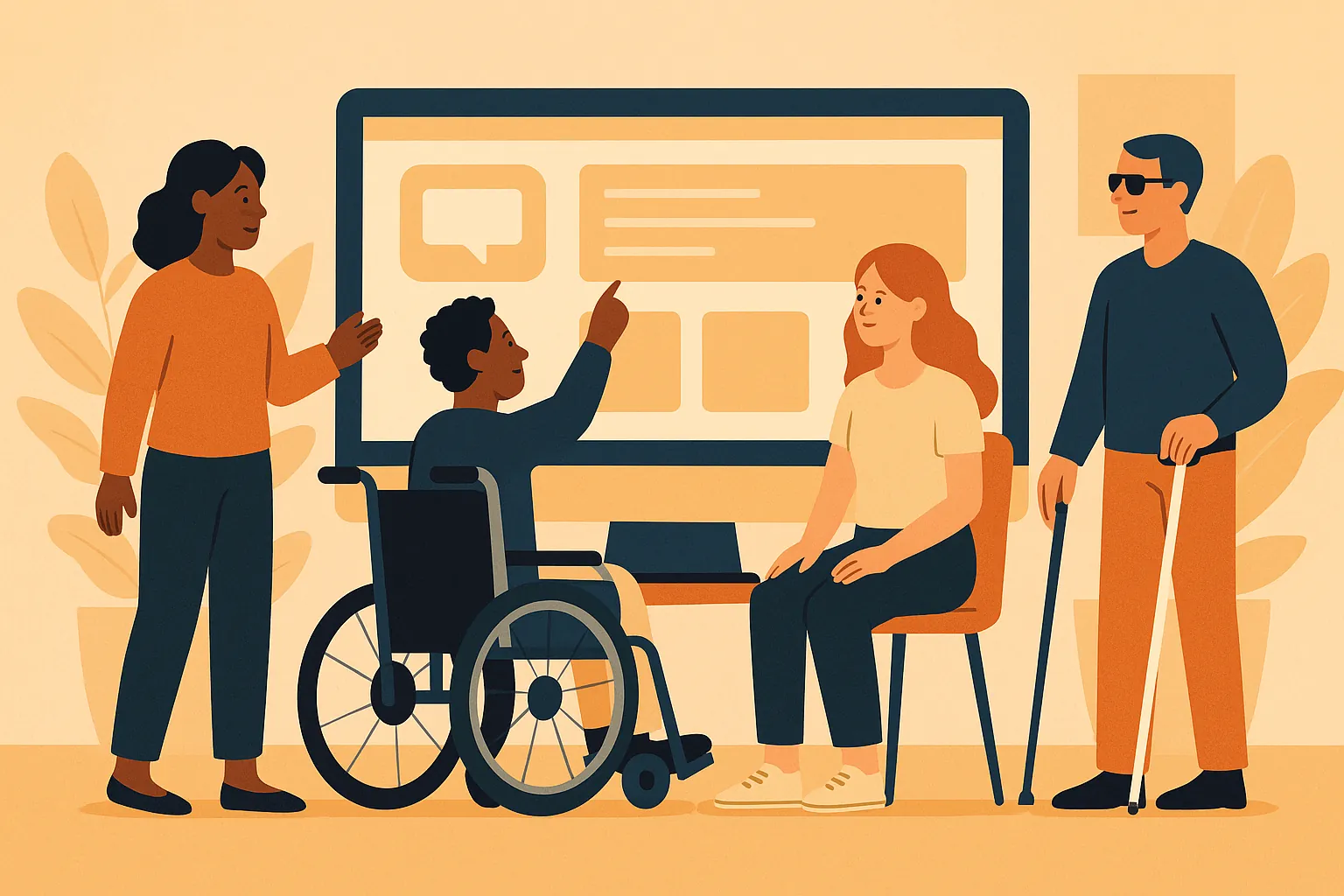
This means:
- Color systems designed with color blindness in mind from the start
- Navigation systems that work equally well with keyboard, mouse, touch, or voice
- Content structured for screen readers without sacrificing visual appeal
This isn't just about compliance, it's about acknowledging that inclusive design creates better experiences for everyone, not just those with specific needs.
The Return of Tactile Feedback
In a world of flat screens and virtual interfaces, humans still crave physical feedback. The most exciting UX/UI trend is the integration of haptic and tactile elements that make digital experiences feel more tangible.
We're seeing this in:
- More sophisticated haptic feedback in mobile interfaces
- Skeuomorphic elements making a strategic comeback
- Interfaces that respond to pressure, not just touch
These designs acknowledge that humans are physical beings, and our digital experiences should respect that reality.
Breaking Up With Information Overload
Hot take: Minimalism isn't about using white space for aesthetic purposes—it's about cognitive kindness. The best designs of 2025 are embracing "progressive disclosure" techniques that reveal information only when users need it.
This approach:
- Reduces decision fatigue
- Creates clearer user journeys
- Improves task completion rates
Instead of showing everything at once, these interfaces reveal complexity gradually, respecting users' limited cognitive resources.
The End of Dark Patterns (For Real This Time)
Here's something refreshing: deceptive design patterns are finally facing serious backlash, not just from users but from designers themselves. The trend is shifting toward:
- Transparent pricing without hidden fees
- Clear opt-out options that don't require a treasure hunt
- Consent mechanisms that actually give users choice
The most innovative companies are realizing that winning through deception is a short-term strategy that eventually backfires.
Building Your Design Toolkit and UX/UI Portfolio
If you're studying UX/UI design, here's how to stay ahead of these trends and strengthen your UX/UI portfolio building:
- Focus on learning the principles behind the trends, not just the visual attributes
- Practice creating designs that solve real problems, not just look current
- Develop your own point of view on which trends align with human needs
- Experiment with combining trends in unexpected ways
- Document these explorations in your UX/UI portfolio to demonstrate your forward thinking
At UX/UI Open, we're constantly updating our curriculum to reflect these evolving UX/UI design trends, ensuring that when you complete your journey with us, you're prepared to create designs that don't just follow trends—they set them.
The Bottom Line: Purpose Over Prettiness
The overarching meta-trend? Purpose-driven design is winning over purely aesthetic choices. The most successful UX/UI designs in 2025 might look stunning, but more importantly, they solve real problems for real people in elegant, efficient ways.
Remember: UX/UI design trends come and go, but designing with empathy, purpose, and a clear understanding of human needs will never go out of style.
Want to learn how to incorporate these trends into your own UX/UI portfolio building process? Check out our UX/UI bootcamp for beginners, where we'll help you build a foundation that can adapt to the ever-changing design landscape and create a portfolio that truly stands out.